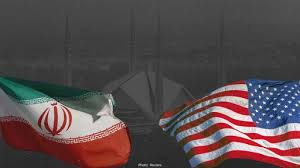
Iran and the US head towards crucial Islamabad peace talks with conflicting demands on nuclear policy, military control and regional influence. Know shar each side wants.
A High Stakes Clash: Iran Vs US before peace talks.
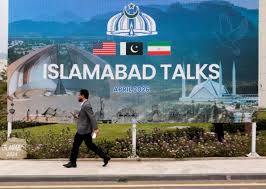
The tension between Iran and US has once again reached a critical point. As both nations prepare for the much anticipated peace talks on Islamabad , the world is watching closely.
But here’s the real question:
What exactly do Iran and the US want and can they ever agree?
Why These Talks Matter
The upcoming Islamabad peace talks are not just another diplomatic meeting. They could shape the future of West Asia, global oil supply and even international security.
With conflicts escalating in the reason, both countries are entering negotiations- but with very different goals.
Iran’s Key Demands
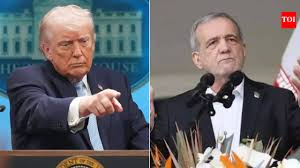
Iran is steeping into the talks with strong and strategic expectations:
1.Inclusion Of Regional Issues
Iran wants discussion beyond just bilateral concerns. It is pushing for Lebanon and regional conflicts to be part of the peace deal.
2.Control Over Strategic Routes
One id Iran’s major interest is the Strait of Hormuz, a vital global oil route. Control here means economic and geopolictical power.
3.Sanctions Relief
Iran is expected to demand easing of economic sanctions that have impacted its economy severely.
United States’ Key Demands
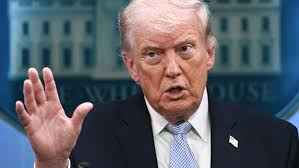
On the other side , the United States is focused on limiting Iran’s power.
1.Nuclear Restrictions
The US wants strict limits on Iran’s nuclear enrichment program to prevent weapon development.
2.Military Capabilities Control
Washington is aiming to reduce Iran’s military strength and regional influence.
3.Stability in West Asia
The US is pushing for a more stable region, reducing tensions involving Iran backed groups.
The Core Conflict. Power Vs Control
At the heart of this issue lies a simple but powerful clash:
Iran wants influence and recognition.
The US wants control and limitation.. This difference makes the negotiations extremely complex.
These discussions are not just about two countries. The outcome will effect
- Global oil prices
- International Security
- Diplomatic relations in West Asia.
A failure in talks could escalate tensions further while success may bring temporary stability.
What Can We Expect?
Let’s be realistic – this won’t be easy agreement.
Possible Outcomes:
- Partial agreement
- Delayed negotiations
- Continued tensions.
But one thing is certain : Both sides need a solution but neither wants to compromise easily.
What’s at Stake?
Global Impact:
- Oil prices 📈
- Inflation 📈
- War risk ⚠️
If Talks Fail:
- Military escalation likely
- Strait of Hormuz crisis
- Wider Middle East war
If Talks Succeed:
- Stable oil supply
- Reduced tensions
- Economic recovery
Final Thoughts
As Iran and United States head into the Islamabad peace talks, the stakes couldn’t be higher. With conflicting demands and global pressure the world want to see:
Will diplomacy Win or will differences deepen further?
Your Take?
Who do you think has the stronger position – IRAN OR THE US? Drop your thoughts below.
FAQs
Q1: Why are Iran and US holding talks in Islamabad?
Because Pakistan mediated a ceasefire and offered a neutral platform for negotiations
Q2: What is the biggest issue in the talks?
Iran’s nuclear program and US demand to end enrichment.
Q3: Why is Strait of Hormuz important?
It handles a major share of global oil trade — any disruption affects the world economy.
For More Such Amazing Content Please Visit : https://dailykhabrein.com/

 By
By