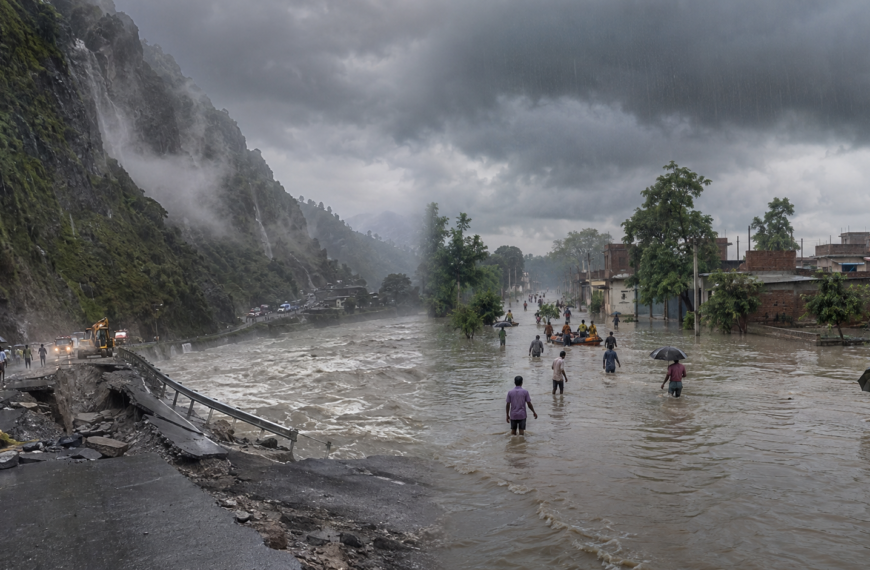


Why is blowing a conch banned at Badrinath Temple? Discover the powerful mythological, spiritual, and scientific reasons behind this mysterious tradition in the Himalayas.
Table of Contents
- Introduction
- The Unique Tradition of Badrinath Temple
- Mythological Story of Demon Vatapi
- Connection with Lord Vishnu and Goddess Lakshmi
- Scientific Explanation: Avalanche Danger
- Badrinath as a Silent Meditation Zone
- Cultural and Spiritual Importance of the Rule
- Modern Perspective: Faith vs Science
- Final Thoughts
- FAQs
Introduction
One such fascinating rule exists at the sacred Badrinath Temple, one of the most important pilgrimage sites in India. For official information about the temple, you can visit the Uttarakhand tourism portal.
🔗 Now hyperlink this text:
“official information about the temple” → https://badrinath-kedarnath.gov.in
Here’s what makes it unique:
👉 Blowing a conch (Shankh), which is considered highly sacred in Hindu rituals, is strictly prohibited here.
At first glance, this feels contradictory. After all, in most temples, the sound of the conch symbolizes positivity, purity, and the beginning of worship.
So why is Badrinath different? Let’s uncover the truth behind this powerful and mysterious tradition.
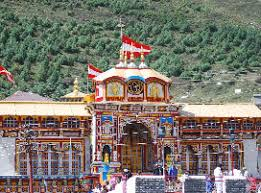
The Unique Tradition of Badrinath Temple
In Hindu culture, the conch is associated with divine energy and is often linked with Lord Vishnu. It is believed to purify the surroundings and invite positive vibrations.
However, Badrinath Temple follows a different path.
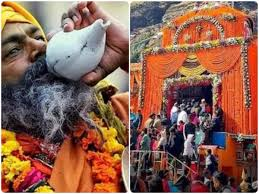
👉 The conch is respected, but never blown.
This rule is not recent—it has been followed for centuries and continues to be respected by priests and devotees alike.

Mythological Story of Demon Vatapi
One of the most intriguing explanations comes from ancient mythology.
According to Hindu mythology, the great sage Agastya was known for destroying demons, and his stories are widely documented in ancient texts and credible sources.
🔗 Hyperlink:
“his stories are widely documented” → https://www.britannica.com/topic/Agastya
Among them was a demon named Vatapi.
👉 The story says:
- Vatapi tried to escape Sage Agastya’s wrath
- He hid himself inside a conch shell near Badrinath
- It is believed that he still resides within that conch
Because of this belief:
⚠️ Blowing the conch might release the demon again
While this may sound symbolic, it reflects the powerful storytelling traditions that guide temple customs in India.
Badrinath lies in the fragile ecosystem of the Himalayas, which is known for its sensitive geological structure and avalanche risks.
🔗 Hyperlink:
“sensitive geological structure and avalanche risks” → https://www.britannica.com/place/Himalayas
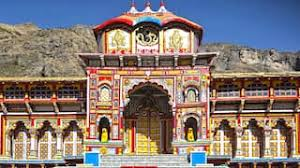
Connection with Lord Vishnu and Goddess Lakshmi
Another spiritual reason is linked with the divine couple—Lord Vishnu and Goddess Lakshmi.
According to legends:
- Lord Vishnu killed a demon named Shankhachud
- Goddess Lakshmi was meditating peacefully at Badrinath
- The sound of the conch is associated with war and destruction
👉 To maintain peace and avoid disturbing Goddess Lakshmi’s meditation, blowing the conch was forbidden.
This belief emphasizes the importance of maintaining calmness and spiritual balance in the temple.
Scientific Explanation: Avalanche Danger
Beyond mythology, there is also a practical explanation rooted in environmental science.
Badrinath Temple is located in the fragile terrain of the Himalayas.
👉 This region is known for:
- Heavy snowfall
- Sensitive ice formations
- High risk of landslides and avalanches
Some experts and locals believe that:
⚠️ Loud sound vibrations, including that of a conch, can disturb snow layers and trigger avalanches
While modern science has not conclusively proven this for conch sounds specifically, the precaution is understandable given the delicate ecosystem.
Badrinath as a Silent Meditation Zone
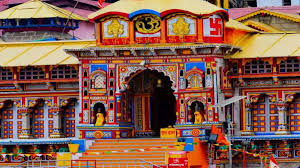
Badrinath is not just a temple—it is considered a divine meditation center.
According to tradition:
- Gods and sages meditate here
- Silence is seen as a form of devotion
- Sound can disturb spiritual energy
👉 This is why:
✔ The environment is शांत (peaceful)
✔ Loud noises are avoided
✔ Conch blowing is restricted
This concept aligns with ancient Indian philosophy, where silence is often considered more powerful than sound.
Cultural and Spiritual Importance of the Rule
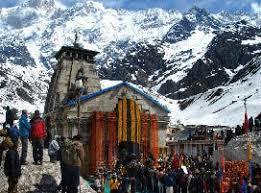
Traditions like these may seem unusual, but they serve a deeper purpose.
👉 They help:
- Preserve ancient beliefs
- Maintain spiritual discipline
- Create a unique identity for the temple
- Strengthen faith among devotees
Badrinath’s conch ban is not just a restriction—it is a symbol of respect for divine energy and nature.
Modern Perspective: Faith vs Science
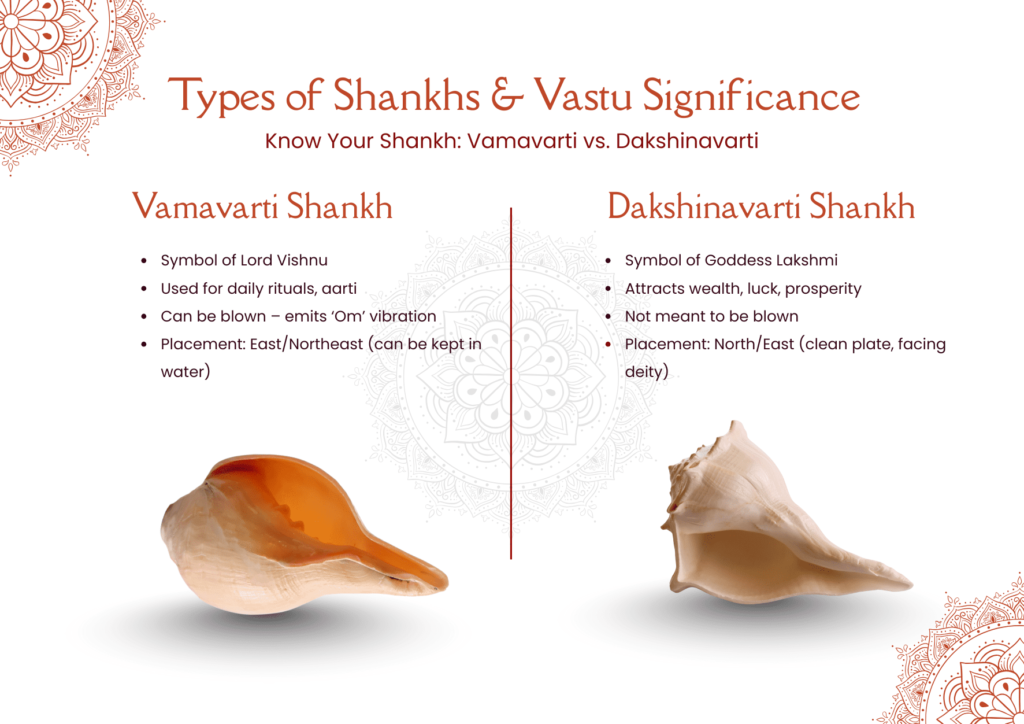
In today’s world, many people question traditions through logic and science.
👉 But here’s the reality:
- Mythology provides cultural meaning
- Science ensures safety
- Spirituality connects emotions
The conch ban at Badrinath beautifully blends all three.
Instead of rejecting such traditions, understanding them adds depth to our cultural awareness.
Final Thoughts
The tradition of not blowing the conch at Badrinath Temple is a powerful example of how faith, science, and spirituality can coexist.
From the legend of demon Vatapi to the peaceful meditation of Goddess Lakshmi, and even environmental concerns—each reason adds a layer to this fascinating practice.
👉 In a noisy world, Badrinath reminds us:
Sometimes, silence is the most powerful form of devotion.
FAQs
Q1. Why is blowing conch banned at Badrinath Temple?
Due to a mix of mythological beliefs, spiritual traditions, and environmental concerns.
Q2. Is the conch used in rituals at Badrinath?
Yes, it is respected but not blown.
Q3. Is this rule followed strictly?
Yes, priests and devotees strictly follow this tradition.
Q4. Is there any scientific proof behind this?
The avalanche theory is not fully proven but is considered a precaution.
For More Such Amazing Content Please Visit : https://dailykhabrein.com/


 By
By