
US-Iran Ceasefire 2026: A Temporary Pause in a Dangerous Game
The world breathed a collective sigh of relief as the United States and Iran agreed to a two-week ceasefire in April 2026, halting what many feared could spiral into a full-scale global conflict. But beneath the headlines of “peace” lies a far more complex reality.
Is this ceasefire the beginning of lasting diplomacy—or merely a strategic pause before the next escalation?
Let’s break it down.
⚔️ Background: How the US-Iran War Escalated in 2026
The roots of the 2026 conflict trace back to rising tensions over:
- Iran’s nuclear program
- US military presence in the Middle East
- Proxy conflicts involving Iran-backed groups
- The strategic chokehold of the Strait of Hormuz
By late February 2026, the situation exploded into direct confrontation, with the US and Israel launching strikes on Iranian targets.
Iran retaliated through missile strikes, drone attacks, and disruptions to global oil supply chains. The conflict quickly expanded across Iraq, Syria, and the Gulf region, involving multiple actors.
The world was now staring at a multi-front Middle Eastern war.
⛽ The Strait of Hormuz Crisis: The Real Battlefield
At the center of this conflict lies one critical location: the Strait of Hormuz.
This narrow waterway handles a massive portion of global oil trade. When Iran began disrupting shipping routes:
- Oil prices surged dramatically
- Global supply chains were threatened
- Insurance costs for shipping skyrocketed
Iran effectively used the strait as a geopolitical weapon, controlling access and exerting pressure on global economies.
This single move turned a regional war into a global economic crisis.
🕊️ The Ceasefire Agreement: What Actually Happened?
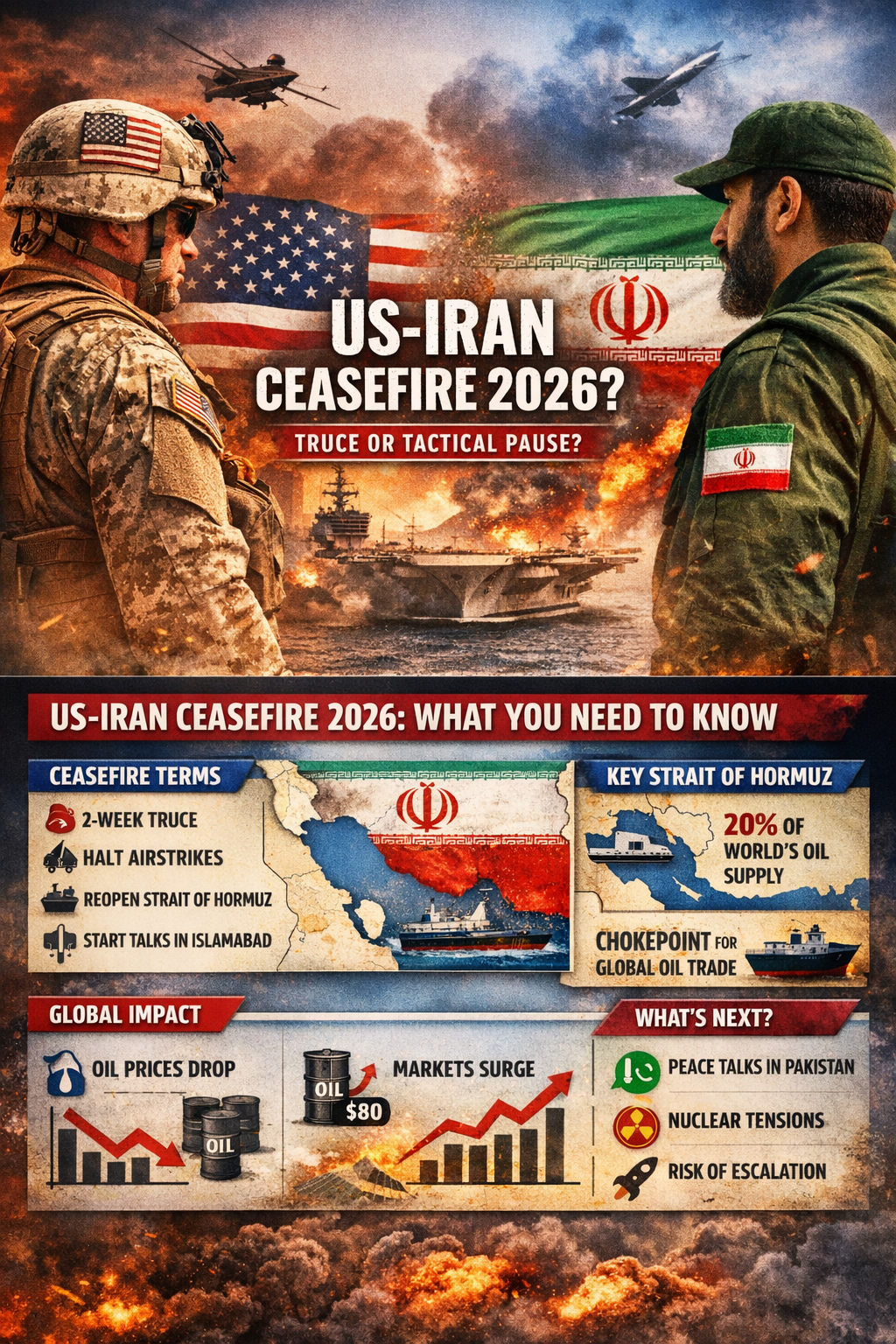
On April 7–8, 2026, the US and Iran agreed to a two-week ceasefire, mediated largely by Pakistan.
Key Terms of the Ceasefire:
- Suspension of US military strikes on Iran
- Iran agrees to reopen the Strait of Hormuz
- Safe passage guaranteed for global shipping
- Diplomatic talks to begin in Islamabad
- Temporary halt to escalation by both sides
The agreement came just hours before a major US strike deadline, with B-52 bombers reportedly already in position.
This wasn’t just diplomacy—it was a last-minute escape from catastrophe.
⚠️ But Here’s the Catch: The War Has NOT Ended
Despite the ceasefire, both sides have made one thing clear:
👉 This is NOT peace.
- Iran explicitly stated the ceasefire “does not signify the end of the war”
- Military activities and tensions continue in parallel
- Israel’s operations in Lebanon are not included in the truce
- Missile alerts and attacks have still been reported during the ceasefire window
In simple terms:
👉 The guns are quieter—but they’re not silent.
🧠 Strategic Motives: Why Did Both Sides Agree?
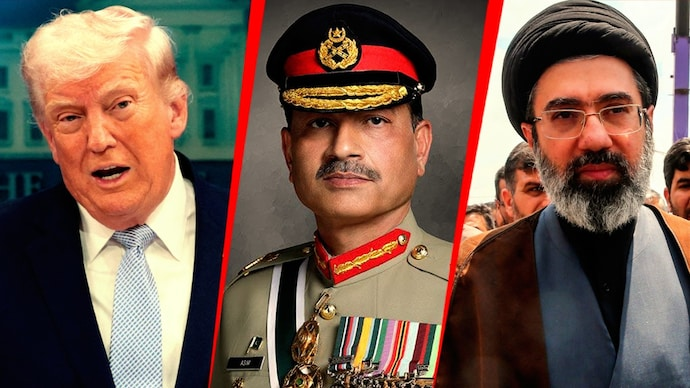
United States Strategy
For the US, the ceasefire serves multiple purposes:
- Avoid a prolonged and costly war
- Stabilize global oil markets
- Prevent domestic political backlash
- Buy time for diplomatic leverage
President Donald Trump framed the ceasefire as a “big day for world peace”, signaling a political win.
Iran’s Strategy
Iran, on the other hand, gained significant leverage:
- Demonstrated control over global oil routes
- Forced the US into negotiations
- Pushed for sanctions relief and compensation
- Positioned itself as a regional power broker
Iran has also insisted on a permanent peace deal—not just a temporary truce.
🌐 Global Impact: Markets, Oil, and Politics
The ceasefire immediately triggered global reactions:
📉 Oil Prices Drop
Oil prices fell sharply (over 10%) after the announcement, reflecting reduced supply fears.
📈 Stock Markets Rise
Asian and global markets surged, signaling renewed investor confidence.
🌍 Diplomatic Relief
Countries worldwide welcomed the truce as a step toward stability.
But the relief is fragile—because the underlying issues remain unresolved.
🧾 The 10-Point Peace Plan: A Roadmap or a Trap?
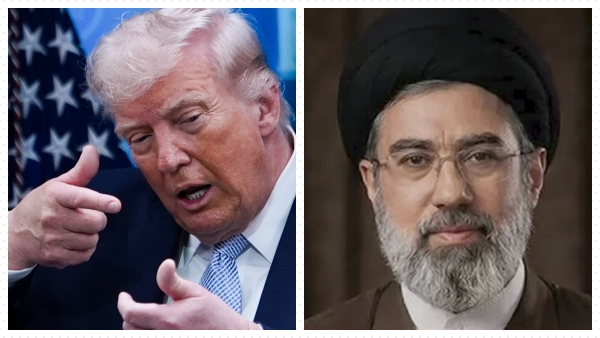
Iran has proposed a 10-point plan for long-term peace, including:
- Lifting US sanctions
- Guarantees against future attacks
- Control and regulation of the Strait of Hormuz
- Rights related to nuclear development
However, disagreements over nuclear enrichment and military restrictions continue to block progress.
🔥 Internal Pressure: Not Everyone Wants Peace
Interestingly, the ceasefire has sparked domestic backlash in Iran.
Protests erupted in Tehran, with some citizens calling the agreement a betrayal and demanding continued resistance.
This highlights a critical issue:
👉 Even if leaders agree, public sentiment can derail peace.
🧩 The Islamabad Talks: The Next Big Test
The next phase of negotiations is set to take place in Islamabad, Pakistan.
These talks aim to:
- Extend the ceasefire
- Draft a long-term agreement
- Address nuclear and military concerns
This proposed framework is often referred to as the “Islamabad Accord.”
But given the deep mistrust between the US and Iran, success is far from guaranteed.
India’s Perspective: Why This Matters
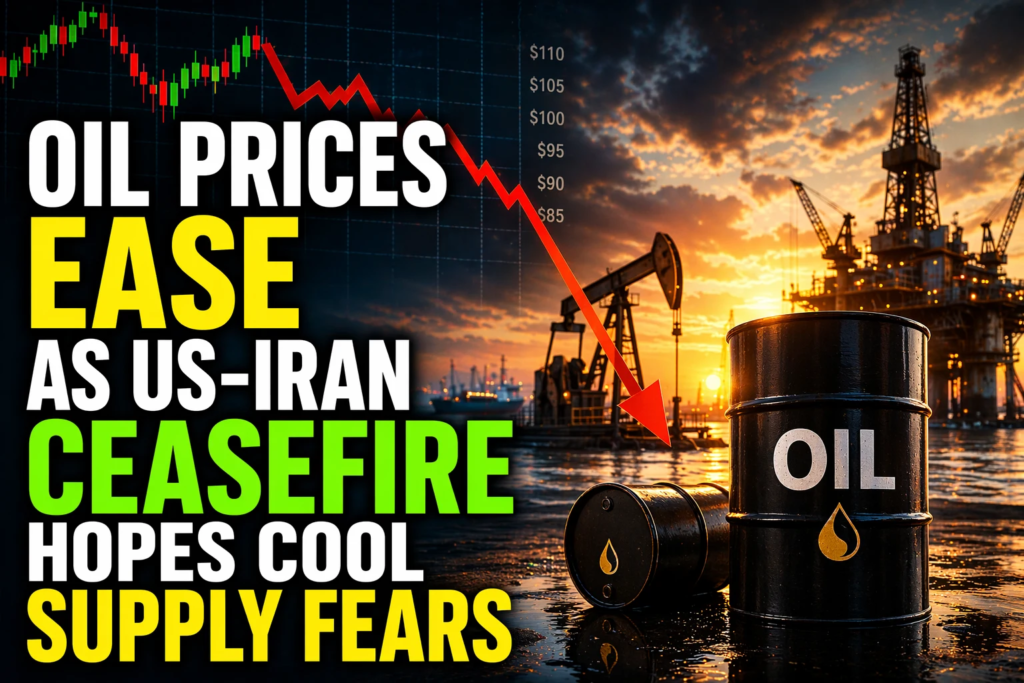
India has remained neutral but deeply affected:
- Heavy dependence on Middle East oil
- Economic impact from rising fuel prices
- Diplomatic balancing between global powers
India has consistently called for de-escalation and dialogue, emphasizing regional stability.
🔍 Key Challenges Ahead
Even with the ceasefire, major hurdles remain:
❌ Nuclear Disputes
Iran insists on its right to nuclear enrichment, while the US demands strict limits.
❌ Trust Deficit
Decades of hostility make agreements fragile.
❌ Proxy Conflicts
Groups in Iraq, Syria, and Lebanon continue to fuel tensions.
❌ Military Readiness
Both sides remain fully armed and prepared for escalation.
📊 Ceasefire vs Peace: Understanding the Difference
| Factor | Ceasefire | Peace Agreement |
|---|---|---|
| Duration | Temporary | Long-term |
| Conflict Status | Paused | Resolved |
| Trust Level | Low | High |
| Stability | Fragile | Stable |
👉 The current situation is clearly a ceasefire—not peace.
💣 What Happens If the Ceasefire Fails?
If negotiations collapse:
- Full-scale war could resume
- Oil prices may skyrocket again
- Global recession risks increase
- More countries could be pulled into the conflict
In short:
👉 The stakes couldn’t be higher.
🧠 Expert Take: A Tactical Pause, Not a Turning Point
Most analysts agree:
👉 This ceasefire is a strategic pause, not a resolution.
It gives both sides time to:
- Regroup militarily
- Reassess strategies
- Test diplomatic options
But without addressing core issues, conflict remains inevitable.
📢 Final Verdict: Peace or Illusion?
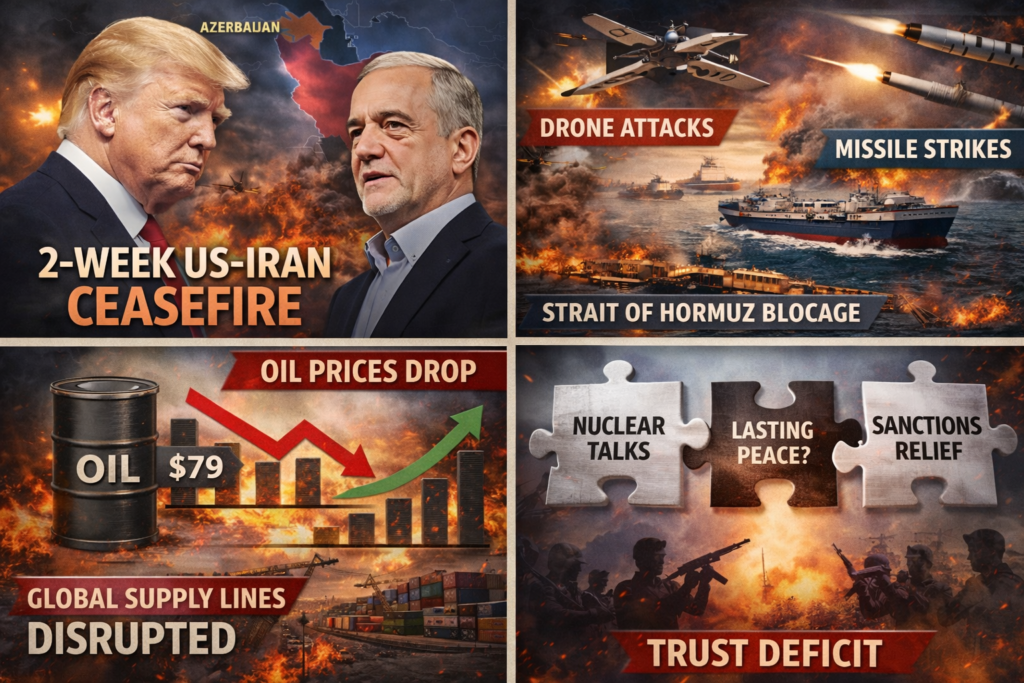
The US-Iran ceasefire of 2026 is one of the most significant geopolitical developments of the year—but also one of the most uncertain.
✔️ It prevented immediate escalation
✔️ It stabilized global markets
❌ It did NOT resolve the conflict
❌ It did NOT eliminate future risks
🚨 Conclusion: The World Watches… and Waits
As the two-week countdown begins, the world stands at a crossroads.
Will this ceasefire evolve into lasting peace?
Or will it become just another pause before a bigger, more devastating conflict?
Only time—and diplomacy—will tell.
For More Such Amazing Content Please Visit : https://dailykhabrein.com/


 By
By