

Dog hair fall is a natural process, but when it becomes excessive, it can be frustrating for pet owners. Fur on your furniture, clothes, and floors can quickly turn into a daily battle. However, the good news is that shedding can be controlled with the right approach. By focusing on proper grooming, balanced nutrition, and skin care, you can significantly reduce the amount of hair your dog sheds while improving their overall health.
This comprehensive guide will walk you through everything you need to know about reducing dog shedding effectively and safely.
Understanding Why Dogs Shed
Before trying to control Hair fall, it’s important to understand why it happens. Hair loss is a natural biological process where dogs lose old or damaged hair to make room for new growth.
Common Reasons for Excessive Fur Loss
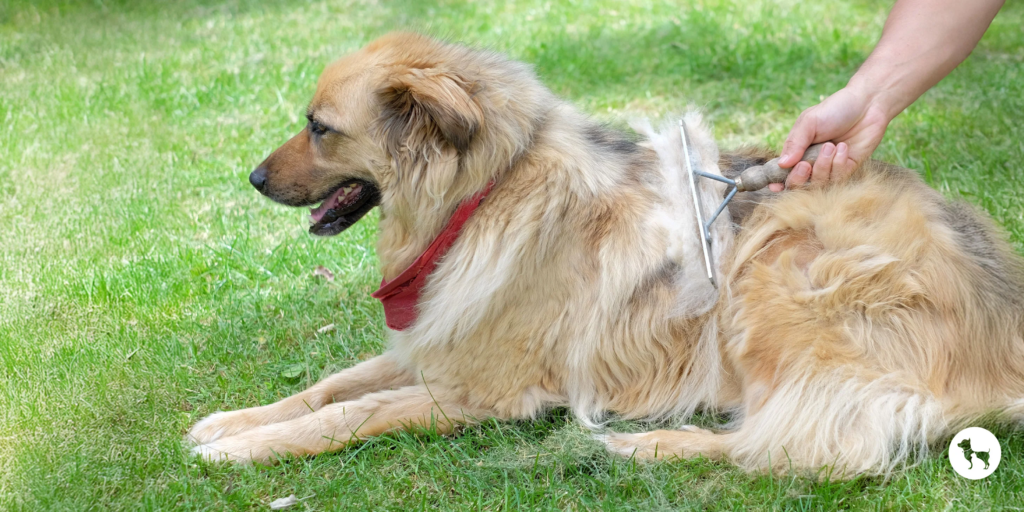
- Seasonal changes: Many dogs shed more during spring and fall.
- Breed type: Some breeds naturally shed more than others.
- Health issues: Skin infections, allergies, or hormonal imbalances.
- Poor diet: Lack of essential nutrients can weaken hair follicles.
- Stress or anxiety: Emotional changes can increase shedding.
Not all fall of hair is bad—but excessive loss is often a sign that something needs attention.
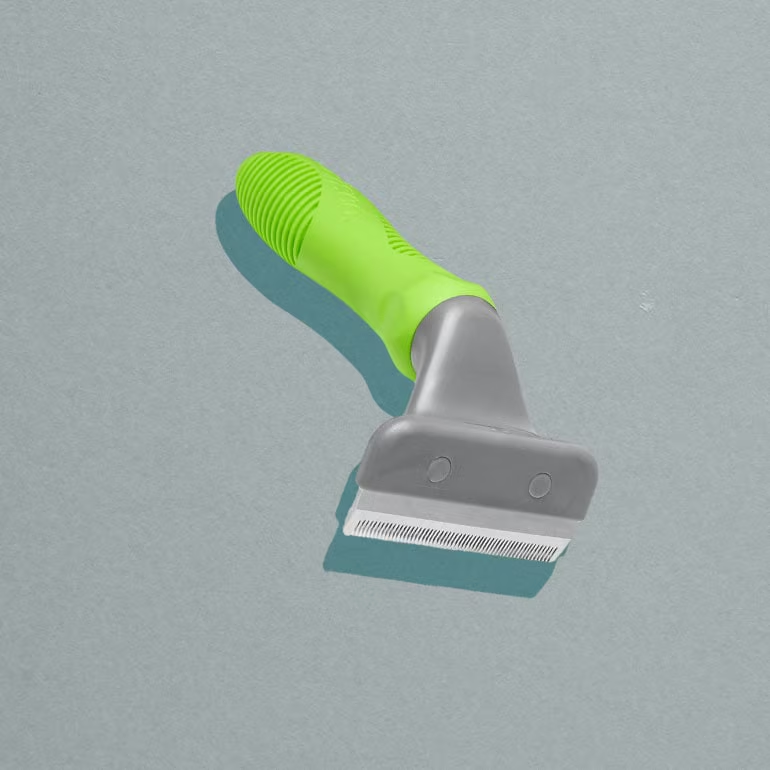
1. Regular Grooming: The First Line of Defense
One of the most effective ways to control of fur loss is consistent grooming.
Brushing Your Dog
Brushing helps remove loose and dead hair before it ends up around your home.
How Often Should You Brush?
- Short-haired dogs: 2–3 times per week
- Long-haired or double-coated dogs: Daily brushing
Benefits of Brushing
- Removes dead hair
- Distributes natural oils
- Prevents matting
- Improves blood circulation
Choosing the Right Brush
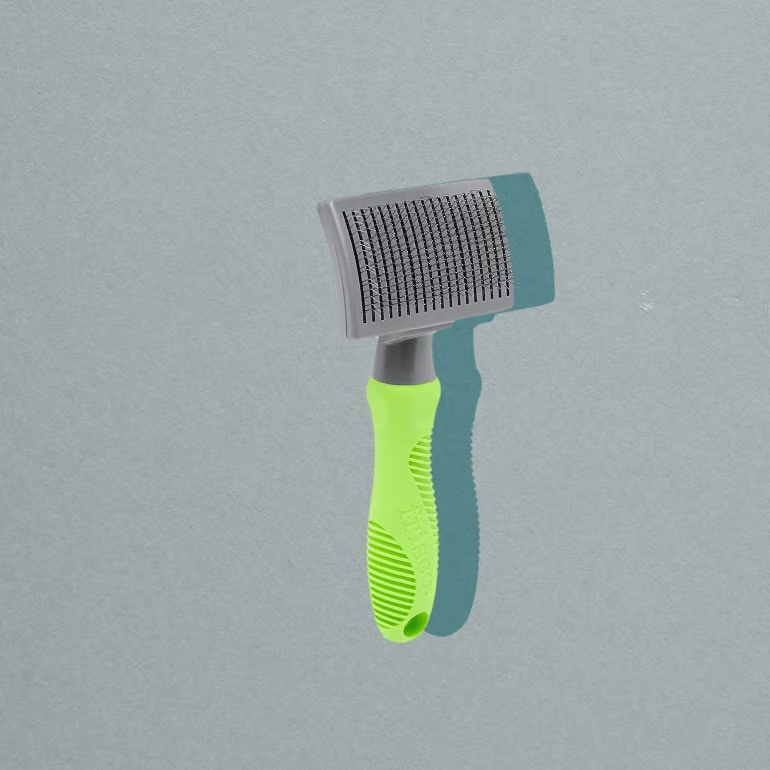
Different coats require different tools:
- Slicker brush: Best for long-haired dogs
- Bristle brush: Ideal for short coats
- Deshedding tool: Great for heavy shedders
Consistency matters more than intensity. Gentle, regular brushing is far more effective than occasional aggressive grooming.
2. Proper Nutrition: The Foundation of a Healthy Coat
https://www.petmd.com/dog/nutrition
Your dog’s diet plays a major role in coat health and excessive fur loss.
Essential Nutrients for Reducing Shedding
Omega-3 Fatty Acids
These are crucial for healthy skin and shiny fur.
- Reduce inflammation
- Improve coat texture
- Minimize dryness and flaking
Sources:
- Fish oil
- Flaxseed
- Salmon-based dog food
High-Quality Protein
Hair is primarily made of protein, so a deficiency directly impacts coat quality.
Look for:
- Real meat as the first ingredient
- Balanced amino acids
Vitamins and Minerals
- Vitamin E: Supports skin health
- Vitamin A: Helps with cell growth
- Zinc: Prevents hair loss and dandruff
A poor diet is one of the most common causes of excessive pet hair loss. Investing in high-quality dog food can make a noticeable difference within weeks.
3. Bathing and Skin Care Routine
Maintaining proper hygiene is essential, but overdoing it can backfire.
How Often Should You Bathe Your Dog?
- Every 3–4 weeks for most dogs
- More frequently only if recommended by a vet
Choosing the Right Shampoo
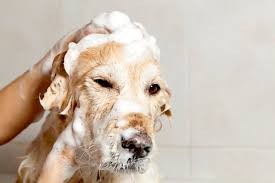
Always use dog-specific shampoos. Human shampoos can disrupt your dog’s skin pH balance.
Look for Ingredients Like:
- Oatmeal (soothing and moisturizing)
- Aloe vera (healing and hydrating)
- Coconut oil (nourishing and antibacterial)
Avoid Over-Bathing
Too many baths can:
- Strip natural oils
- Cause dryness
- Increase shedding
After bathing, always dry your dog properly and brush their coat to remove loose hair.
4. Hydration Matters More Than You Think
Dehydration can lead to dry skin, which increases hair loss
Ensure Your Dog:
- Has access to fresh, clean water at all times
- Drinks enough water daily (varies by size and breed)
Proper hydration keeps skin elastic and supports healthy hair growth.
5. Manage Stress and Anxiety
Just like humans, dogs can experience stress—and it often shows in their coat.
Common Stress Triggers
- Change in environment
- Loud noises
- Lack of exercise
- Separation anxiety
How to Reduce Stress
- Regular walks and playtime
- Consistent routine
- Comfortable sleeping area
- Positive reinforcement training
A relaxed dog is a healthier dog, and that includes falling hair
6. Regular Health Checkups
Sometimes shedding is not just a grooming issue—it can be a medical concern.
When to See a Vet
- Sudden increase in shedding
- Bald patches
- Red, itchy, or irritated skin
- Excessive scratching
Possible Health Causes
- Allergies
- Parasites (fleas, ticks)
- Hormonal imbalance
- Skin infections
Early diagnosis can prevent more serious problems and help control shedding effectively.
7. Seasonal Shedding: What You Should Know
Many dogs experience “blowouts” during seasonal transitions.
Spring Shedding
Dogs lose their thick winter coat.
Fall Shedding
Dogs prepare for a heavier winter coat.
How to Handle Seasonal Shedding
- Increase brushing frequency
- Use deshedding tools
- Maintain proper nutrition
Seasonal shedding is normal—but managing it properly keeps your home cleaner and your dog more comfortable.
8. Home Cleaning Tips for Dog Owners
Even with the best care, some shedding is unavoidable. Managing your environment helps reduce the impact.
Smart Cleaning Strategies
- Use a vacuum designed for pet hair
- Wash bedding regularly
- Use lint rollers for clothes
- Cover furniture with washable covers
A clean home complements your grooming efforts.
9. Natural Remedies to Reduce Shedding
Some natural approaches can support coat health.
Popular Natural Options
- Coconut oil (small amounts): Improves skin hydration
- Fish oil supplements: Boost omega-3 intake
- Eggs (occasionally): Provide protein and biotin
Always consult your vet before introducing supplements.
10. Grooming Routine Checklist
To make things easier, follow this simple weekly routine:
Daily
- Check coat and skin
- Provide fresh water
2–3 Times a Week
- Brush coat thoroughly
Weekly
- Inspect for fleas or skin issues
Monthly
- Bathe with dog-friendly shampoo
- Trim nails and clean ears
Consistency is key to long-term results.
11. Best Practices for Different Coat Types
Short-Haired Dogs
- Less frequent brushing needed
- Use bristle brushes
Long-Haired Dogs
- Daily grooming required
- Prevent tangles and mats
Double-Coated Dogs
- Heavy seasonal shedding
- Use undercoat rake tools
Understanding your dog’s coat type helps you choose the right care strategy.
12. Common Mistakes to Avoid
Even well-meaning owners can make mistakes.
Avoid These Errors
- Over-bathing your dog
- Using human shampoo
- Ignoring diet quality
- Skipping regular brushing
- Not addressing health issues early
Fixing these habits can dramatically reduce shedding.
Conclusion: A Healthy Dog Means Less Shedding
Shedding is a natural part of a dog’s life, but excessive shedding doesn’t have to be. With a combination of regular grooming, proper nutrition, good hygiene, and attentive care, you can significantly reduce hair fall and keep your dog’s coat healthy and shiny.
The key is consistency. Small daily habits—like brushing, feeding a balanced diet, and monitoring your dog’s health—can lead to noticeable improvements over time.
For More Such Amazing Content Please Visit : https://dailykhabrein.com/


 By
By