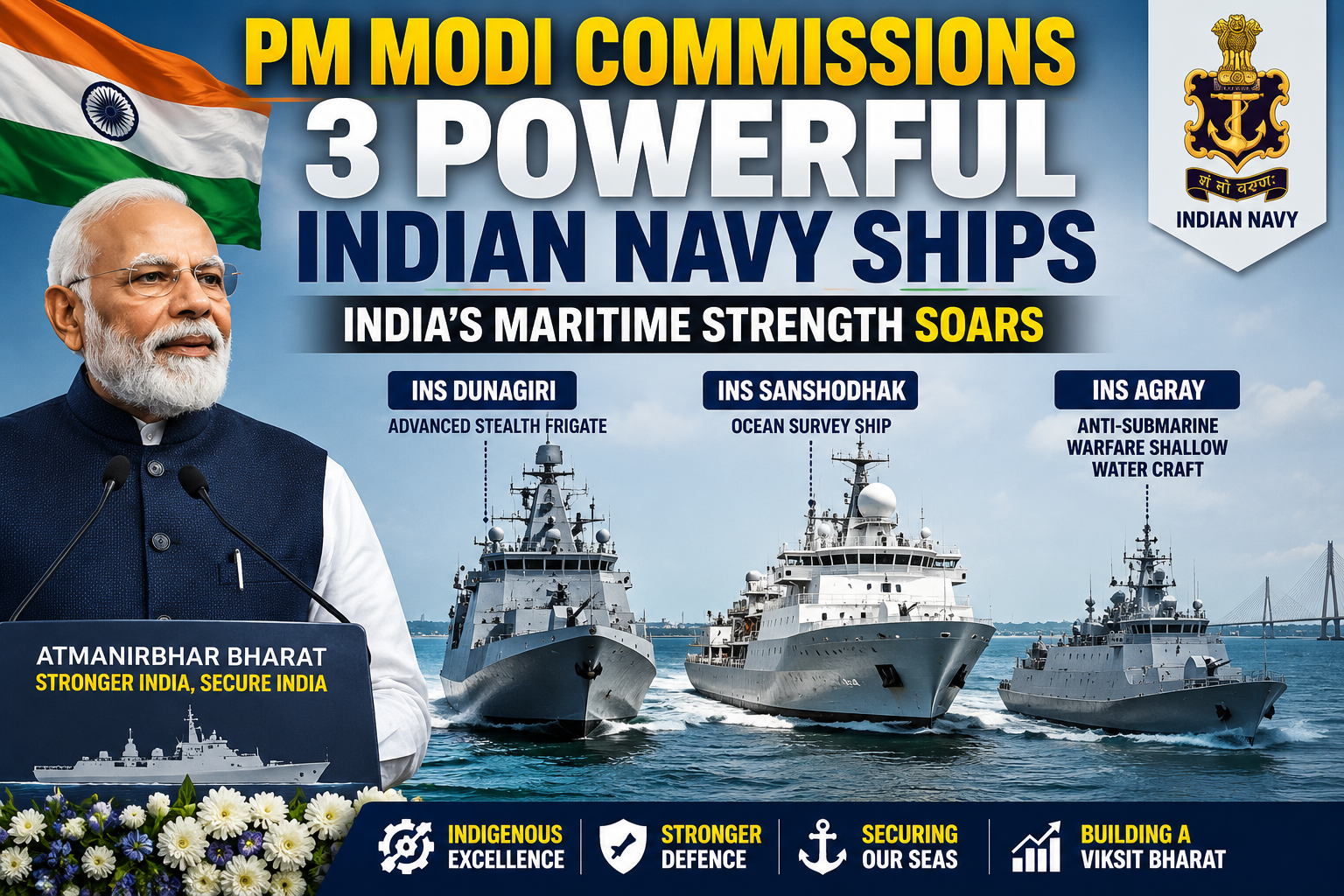

PM Modi Commissions Three Indigenous Naval Platforms in Kolkata
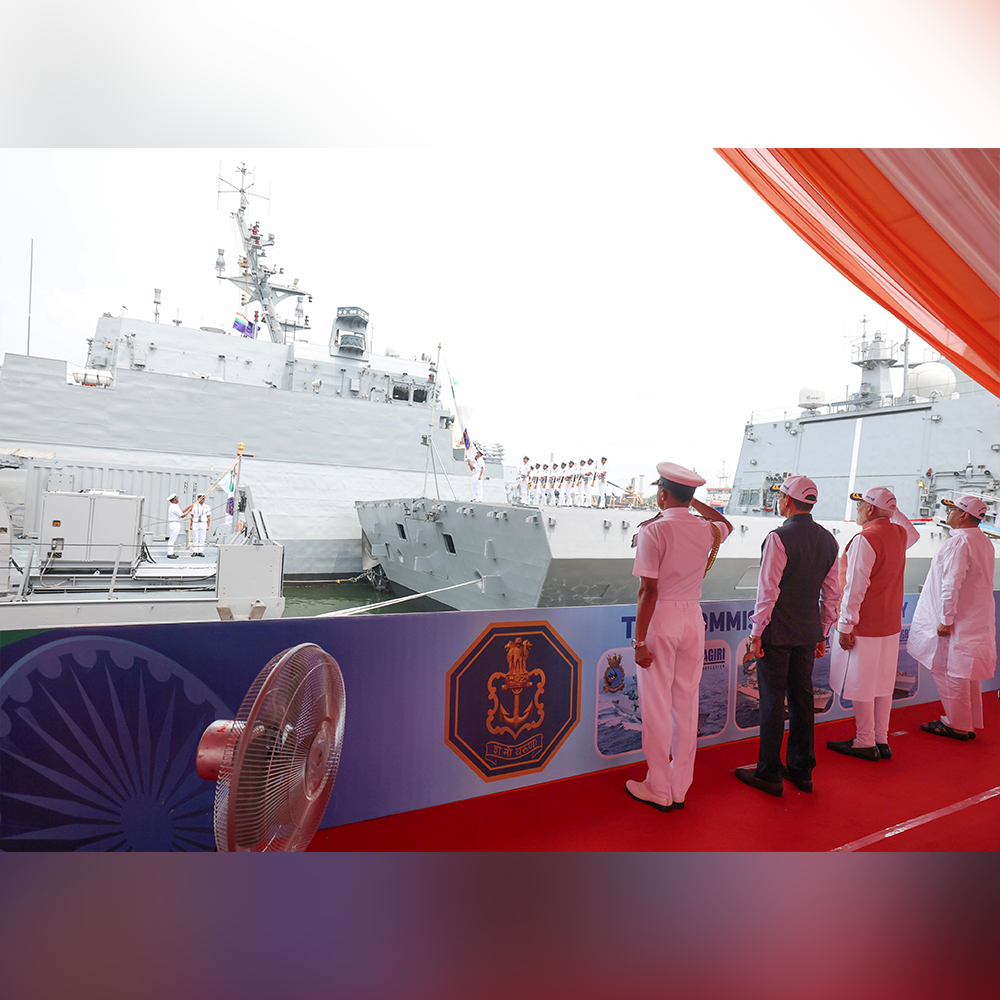
In a significant boost to India’s maritime security and defense self-reliance, Prime Minister Narendra Modi commissioned three advanced indigenous naval platforms into the Indian Navy on June 21, 2026, in Kolkata. The induction of INS Dunagiri, INS Sanshodhak, and INS Agray marks another milestone in India’s journey toward becoming a major maritime power and achieving defense self-sufficiency under the Aatmanirbhar Bharat initiative.
The commissioning ceremony showcased India’s growing expertise in indigenous warship design and construction while highlighting the strategic importance of naval strength in an increasingly competitive Indo-Pacific region.
Which Ships Were Commissioned?
The three vessels inducted into the Indian Navy represent different but complementary capabilities that together significantly enhance India’s maritime defense posture.
1. INS Dunagiri – The Advanced Stealth Frigate
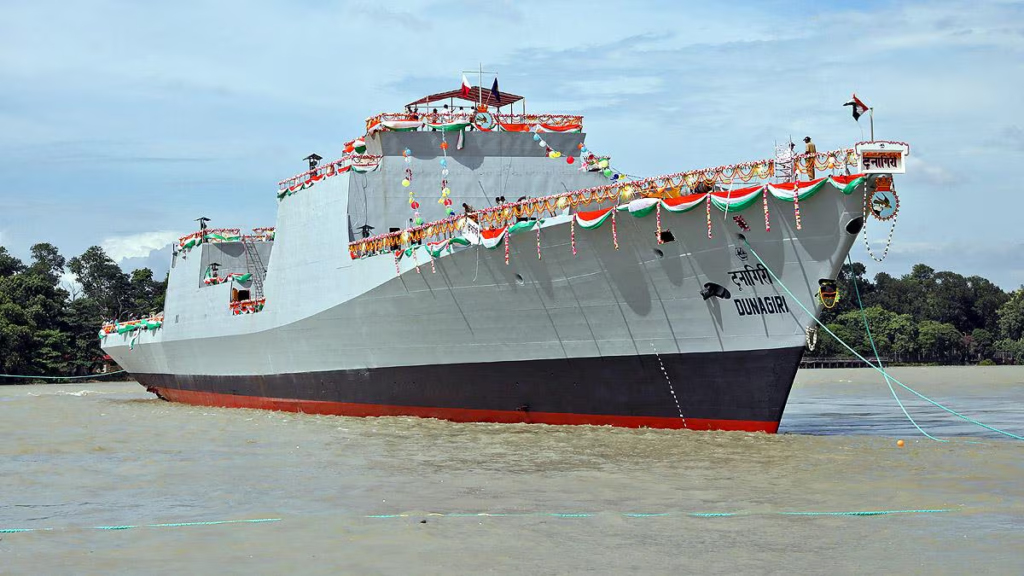
INS Dunagiri is an advanced stealth frigate designed to perform multiple combat roles in high-threat maritime environments. Equipped with modern sensors, weapons systems, and stealth technology, the warship is capable of anti-air, anti-surface, and anti-submarine operations. Its induction strengthens the Navy’s frontline combat capabilities and enhances India’s ability to protect its maritime interests across vast oceanic regions.
2. INS Sanshodhak – India’s Floating Ocean Laboratory
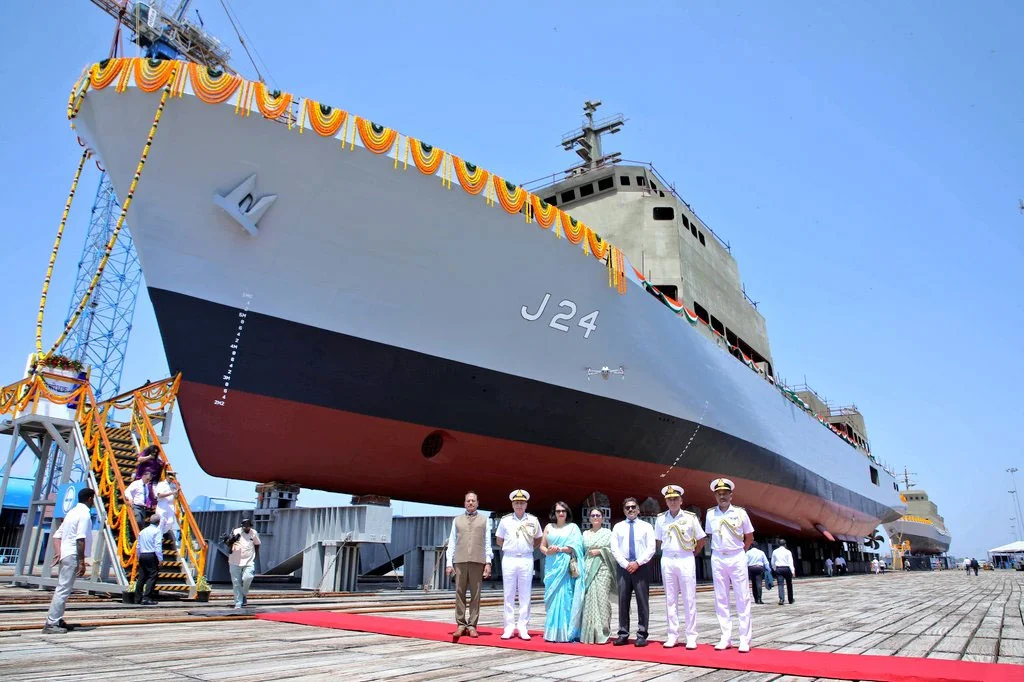
INS Sanshodhak serves a unique and critical role within the Navy. The vessel is a large survey ship designed for hydrographic surveys, oceanographic research, underwater mapping, and environmental analysis.
The ship will help improve maritime domain awareness by generating crucial underwater data that supports naval operations, navigation safety, disaster management, and scientific research. Experts often describe it as a “floating ocean laboratory” because of its advanced ocean-survey capabilities.
3. INS Agray – The Submarine Hunter
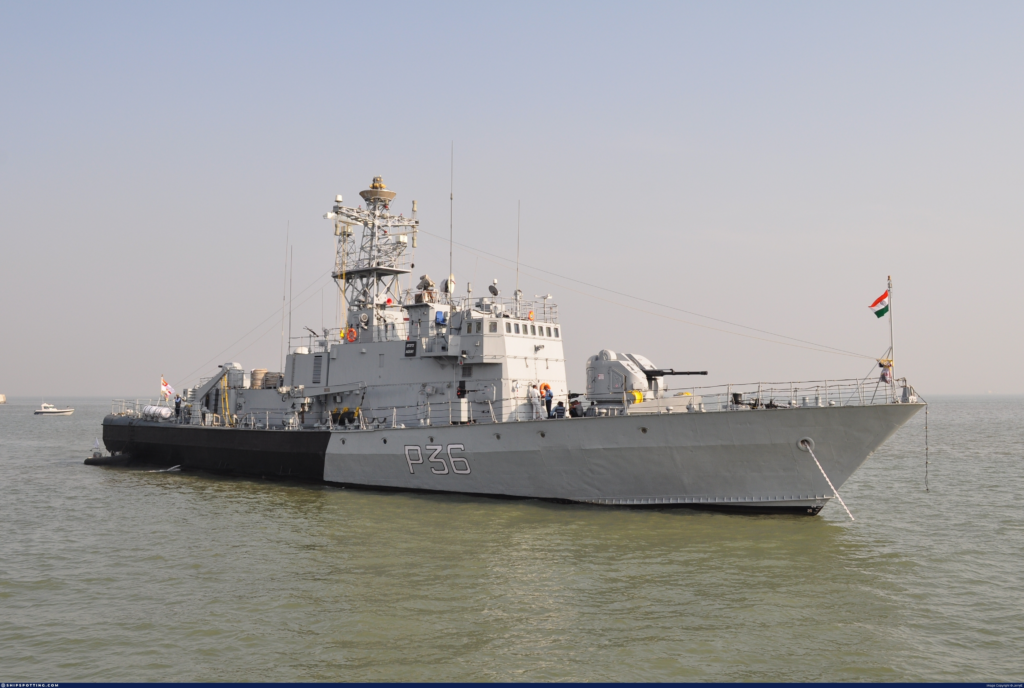
INS Agray is an Anti-Submarine Warfare Shallow Water Craft (ASW-SWC) specifically designed to detect, track, and neutralize hostile submarines operating in coastal waters.
With underwater threats becoming increasingly sophisticated, INS Agray provides a vital layer of protection to India’s coastline and strategic naval assets. The ship strengthens India’s ability to counter submarine-based threats in the Indian Ocean Region.
Why These Three Ships Matter Together
While each vessel serves a specialized function, their true strength lies in their combined operational capability.
INS Sanshodhak gathers underwater intelligence and maps the ocean floor. INS Dunagiri acts as the primary combat platform capable of engaging multiple threats. INS Agray focuses on hunting enemy submarines and securing coastal waters.
Together, these platforms create an integrated maritime defense network that improves surveillance, intelligence gathering, combat readiness, and underwater warfare capabilities. Defense analysts believe this coordinated capability is far more effective than the ships operating independently.
PM Modi’s Message on Maritime Security
Addressing the commissioning ceremony, Prime Minister Modi emphasized that a nation’s development, prosperity, and security are deeply connected to its maritime strength.
He highlighted that strong naval capabilities are increasingly becoming a deciding factor in determining a country’s economic influence, strategic reach, and geopolitical standing in the modern world. The Prime Minister also reiterated the government’s commitment to strengthening indigenous defense manufacturing and expanding India’s naval capabilities.
His remarks come at a time when the Indo-Pacific region is witnessing heightened strategic competition, making maritime security a top priority for many nations.
A Big Win for Aatmanirbhar Bharat
One of the most significant aspects of these vessels is their indigenous design and construction.
The ships were designed by the Indian Navy and built by Garden Reach Shipbuilders & Engineers (GRSE) in Kolkata. The projects reportedly feature more than 75% indigenous content and involved participation from over 200 Indian MSMEs. This demonstrates the growing maturity of India’s domestic defense manufacturing ecosystem.
The successful completion of these projects also generated substantial employment opportunities and strengthened India’s defense-industrial base.
Strengthening India’s Position in the Indian Ocean
The Indian Ocean Region remains one of the world’s most strategically important maritime corridors. A significant portion of global trade passes through these waters, making maritime security critical for economic stability.
The induction of INS Dunagiri, INS Sanshodhak, and INS Agray enhances India’s ability to:
- Monitor critical sea lanes.
- Conduct long-range maritime operations.
- Protect national interests at sea.
- Counter submarine threats.
- Improve maritime surveillance.
- Support humanitarian and disaster-relief missions.
These capabilities contribute to India’s vision of maintaining a secure, open, and stable Indo-Pacific region.
What This Means for the Indian Navy
The commissioning of these three vessels represents more than just fleet expansion—it reflects the Indian Navy’s evolution into a technologically advanced force capable of addressing modern maritime challenges.
With growing geopolitical competition in the Indo-Pacific, the Navy’s ability to conduct integrated operations across surface, underwater, and information domains is becoming increasingly important. The addition of these platforms enhances operational flexibility while reinforcing India’s deterrence capability.
Final Thoughts
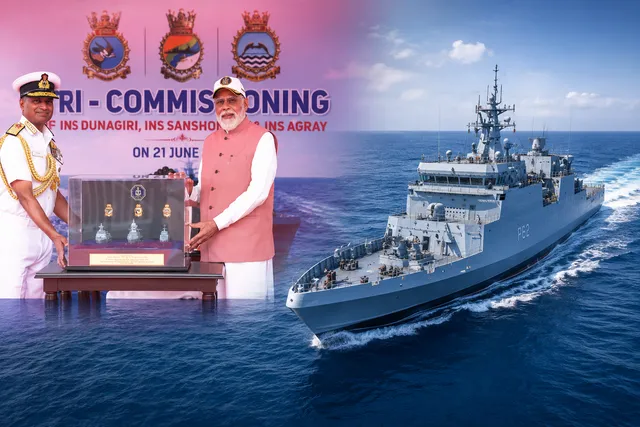
The commissioning of INS Dunagiri, INS Sanshodhak, and INS Agray marks a landmark achievement for India’s naval modernization efforts. By combining advanced combat power, underwater intelligence capabilities, and anti-submarine warfare expertise, these vessels significantly strengthen India’s maritime defense architecture.
As India continues to invest in indigenous defense production and naval expansion, the induction of these three powerful platforms sends a clear message: the nation is determined to secure its maritime interests and emerge as a leading maritime power in the 21st century.
For More Such Amazing Content Please Visit : https://dailykhabrein.com/


 By
By