
🚆 Delhi–Karnal Namo Bharat Route: India’s Next Big Transport Revolution
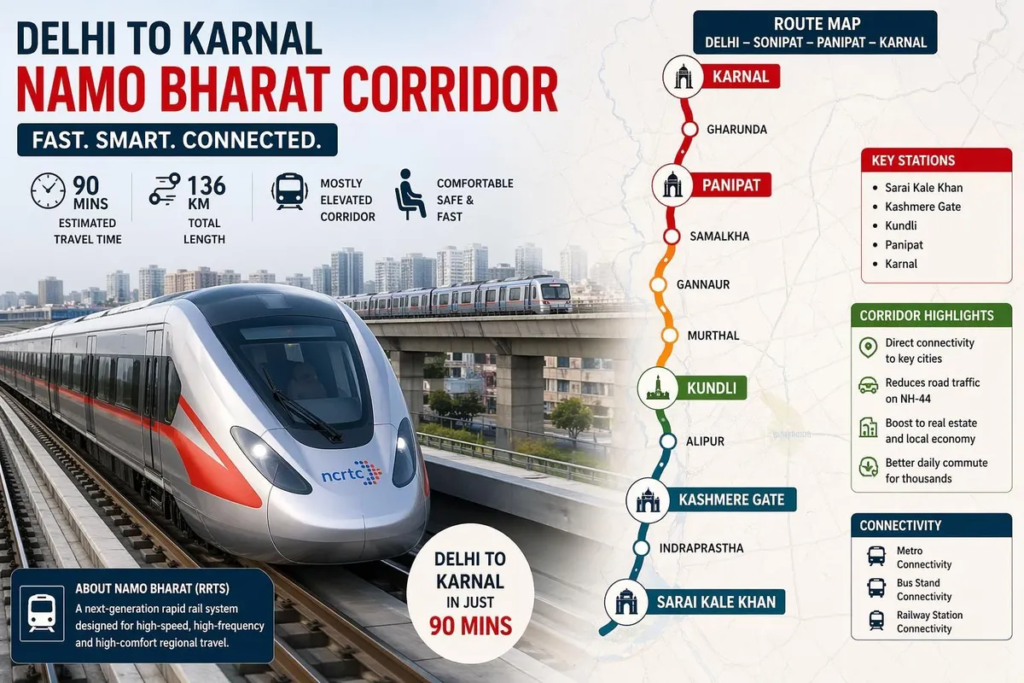
The Delhi Karnal Namo Bharat Route is one of the most powerful infrastructure developments in India’s NCR region. It is part of the Regional Rapid Transit System (RRTS) and aims to transform how people travel between Delhi and Haryana.
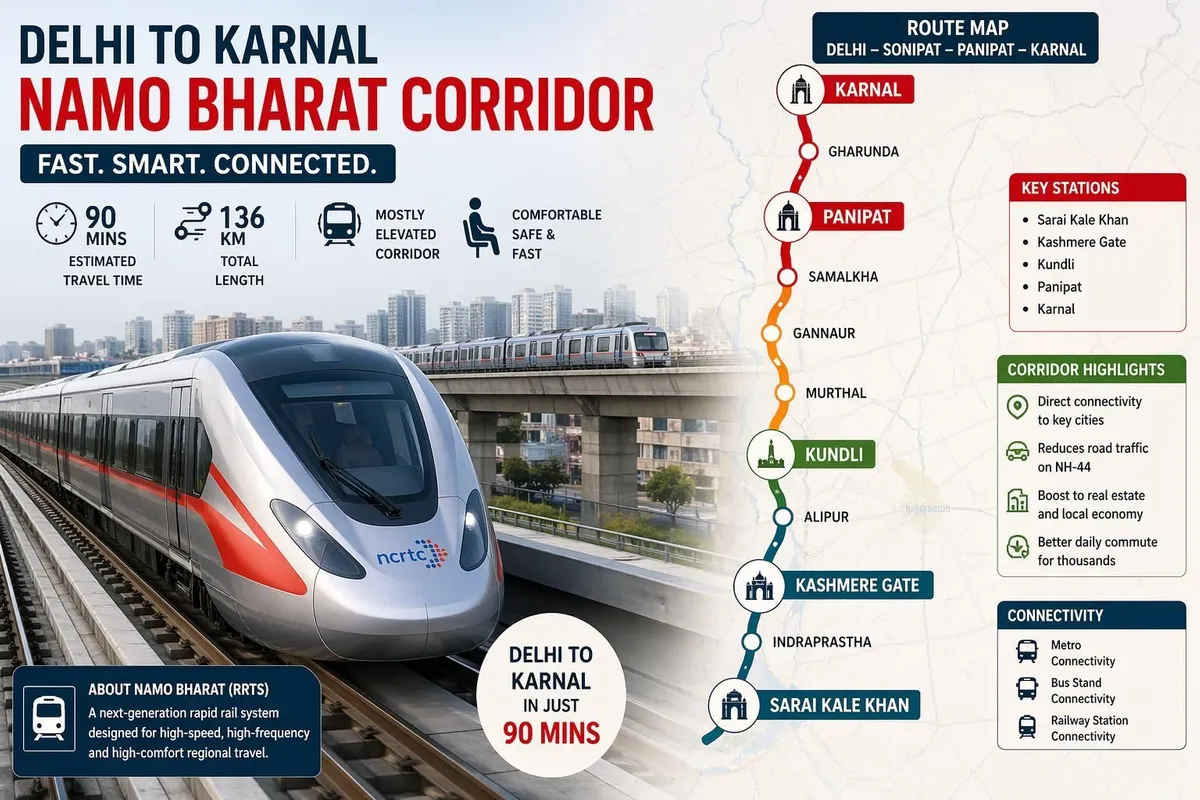
This high-speed corridor will connect Delhi, Sonipat, Panipat, and Karnal in just 90 minutes, which earlier took almost 4–5 hours.
The Delhi Karnal Namo Bharat Route is not just a train project—it is a complete mobility revolution.
The project cost is estimated at ₹33,000 crore
🔗 PIB India / official press release
🧭 What is Delhi–Karnal Route?
The Delhi Karnal Route is a semi-high-speed rail corridor developed under NCRTC.
🚄 Key Objective:
- Reduce travel time between NCR cities
- Improve regional connectivity
- Decongest NH-44 highway
- Promote satellite city development
This route is part of India’s modern rapid rail network system (RRTS).
Government infrastructure updates can be tracked here:
🔗 https://pib.gov.in (Press Information Bureau – Government of India)
🗺️ Namo Bharat Route Map (Final Alignment)
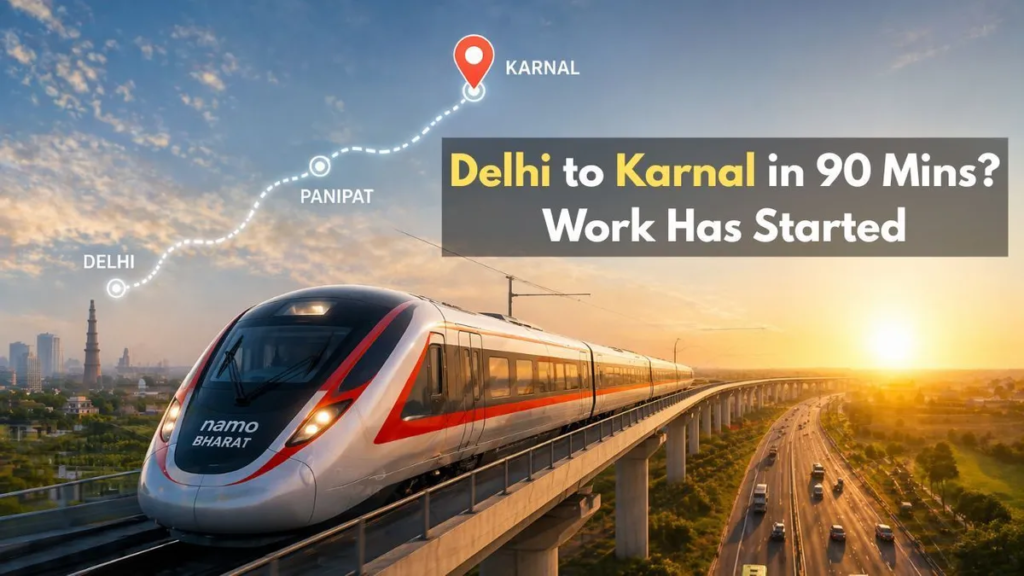
The Namo Bharat Route follows the busy NH-44 corridor.
📍 Major Stations:
- Sarai Kale Khan (Delhi Hub)
- Kashmere Gate (Metro Interchange)
- Mukarba Chowk
- Alipur
- Narela
- Kundli (Major Growth Zone)
- Sonipat
- Gannaur
- Panipat
- Karnal Terminal
This alignment ensures maximum connectivity and industrial access.
🚉 Total Stations in Delhi–Karnal Route
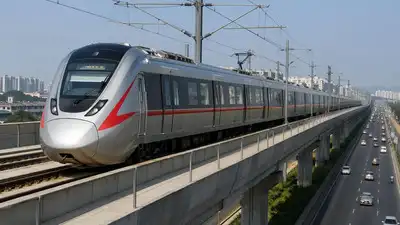
The corridor will include around 17–22 modern stations.
🔑 Key Features of Stations:
- Airport-style design
- Multimodal integration
- Metro + Bus connectivity
- Smart ticketing system
- High passenger capacity
The Delhi Karnal Namo Bharat Route stations are designed to handle massive commuter flow efficiently.
⏱️ The Upcoming RRTS Line Travel Time Reduction
One of the biggest highlights of the Delhi Karnal Namo Bharat Route is speed.
🚗 Current Travel Time:
3.5 to 5 hours (road traffic)
🚄 After Completion:
👉 Only 90 minutes
This will completely transform daily commuting in NCR.
💰 Project Cost of this High Speed Corridor
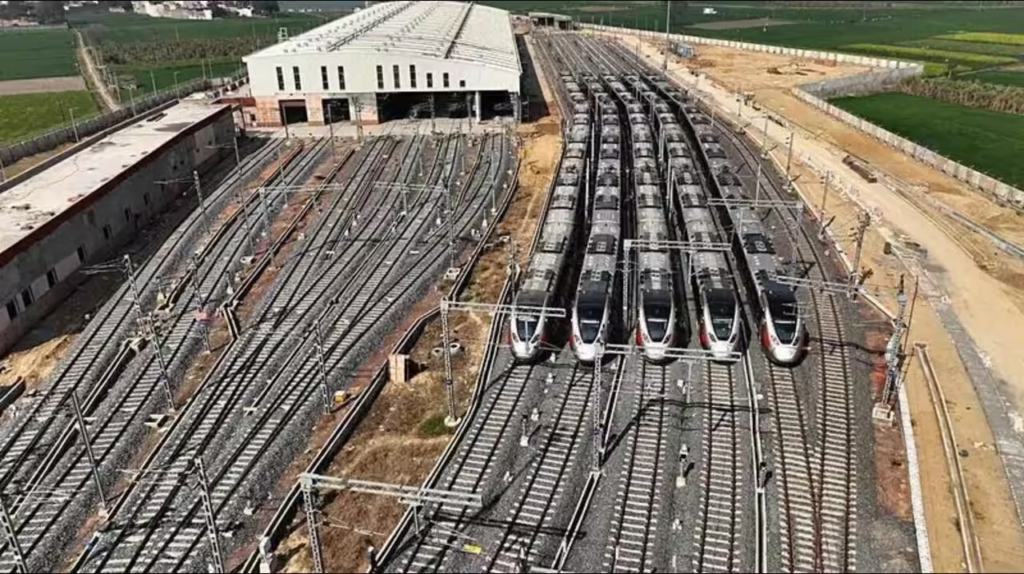
The project is estimated at over ₹33,000 crore.
- NCRTC-managed infrastructure
- Haryana + Central Government funding
- Phased construction model
The is one of the largest RRTS projects in India.
The project cost is estimated at ₹33,000 crore
🔗 PIB India / official press release
⚙️ Key Features of Delhi–Karnal Namo Bharat Route
The corridor includes advanced rail technology:
⚡ Features:
- 160–180 km/h operational speed
- Fully air-conditioned coaches
- Automatic train control system
- Wi-Fi enabled trains
- Low vibration smooth travel
- High-frequency departures
The High Speed Corridor is designed for future-ready mobility.
🌍 Why Namo Bharat Project Route is a Game Changer
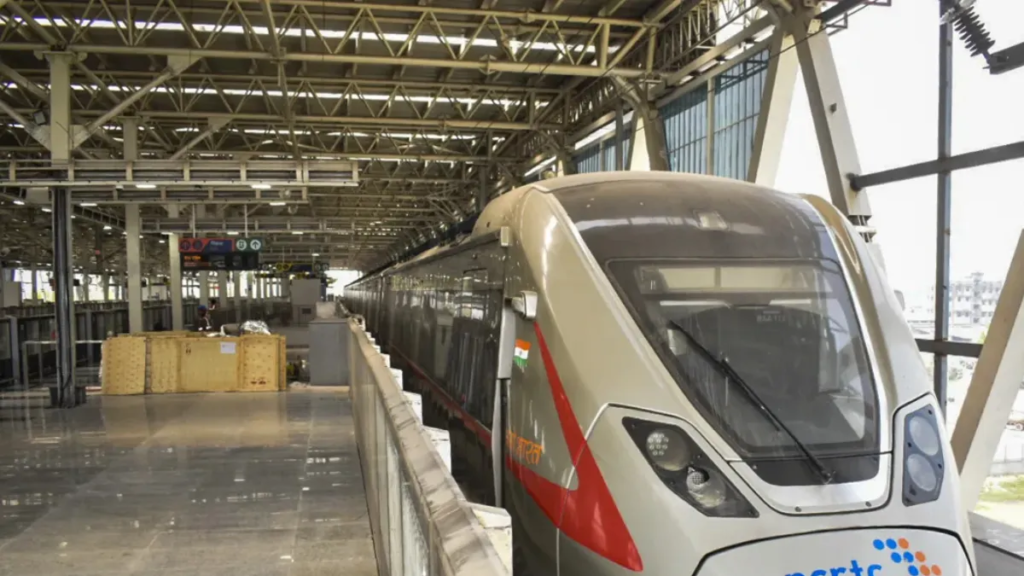
The impact of this project is massive:
🔥 1. Traffic Reduction
NH-44 congestion will reduce significantly.
🏙️ 2. Urban Growth Boost
Sonipat, Kundli, Panipat will become mini cities.
🏭 3. Industrial Expansion
Faster logistics will attract companies.
💸 4. Real Estate Boom
Property prices near stations will rise.
🌱 5. Pollution Reduction
Less road traffic = cleaner NCR air.
📊 High Speed Route vs Road Travel
| Factor | Road | Namo Bharat |
|---|---|---|
| Time | 3–5 hours | 90 minutes |
| Comfort | Low | High |
| Pollution | High | Low |
| Reliability | Unstable | Fixed schedule |
| Speed | Slow | High-speed rail |
🏗️ Current Status of This Rapid Rail Corridor
As of 2026:
- DPR approved
- Survey work ongoing
- Land acquisition in progress
- Utility shifting started
- Construction phase preparation underway
The rapid rail corridor is moving rapidly toward execution.
📈 Real Estate Impact Of Upcoming High Speed Rail Route
This corridor will create a huge property boom zone.
📍 Hot Areas:
- Narela
- Kundli
- Sonipat
- Panipat
📊 Expected Growth:
- 30%–70% property appreciation
- New commercial hubs
- Smart city development zones
⚠️ Challenges in the NCR rapid transit system
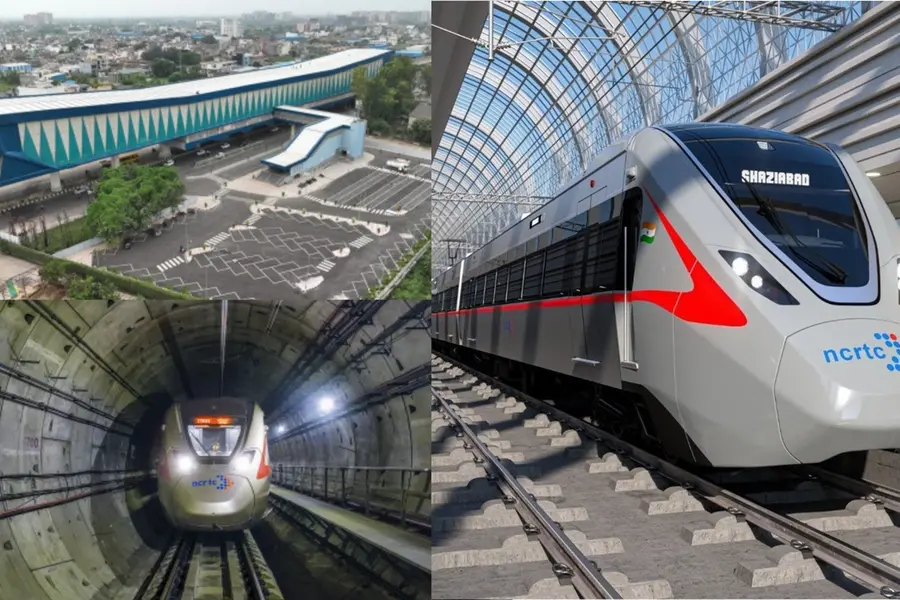
Some challenges include:
- Land acquisition delays
- Construction in dense Delhi areas
- Cost coordination between governments
- Traffic disruption during building phase
However, NCRTC is using a phased execution model to reduce delays.
🔮 Future Expansion Possibilities
The Delhi Karnal Namo Bharat Route may later extend towards:
- Chandigarh
- Kurukshetra
- Extended NCR industrial belts
This could form a North India high-speed rail backbone.
🧾 Conclusion: Delhi–Karnal Namo Bharat Route is the Future of NCR
The Delhi–Karnal Namo Bharat Route is not just a rail project—it is a transformation engine for North India.
From reducing travel time to 90 minutes, to boosting real estate, industry, and urban development, this corridor is set to become a lifeline of modern NCR mobility.
Once operational, it will redefine how millions of people think about distance, commuting, and city living.
For More Such Amazing Content Please Visit : https://dailykhabrein.com/


 By
By