
Complete list of Nepal’s new rules and reforms under PM Balendra Shah—education bans, banking changes, digital governance, and anti-corruption measures explained.
Nepal’s Reform Wave: The Actual Rules
1. Education System Rules
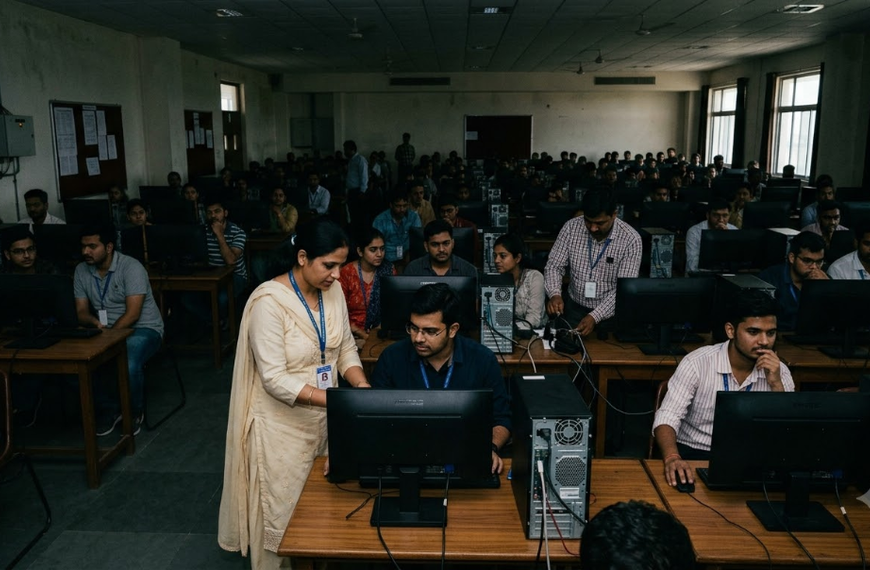
Rule 1: No Political Activities in Colleges
- Student political unions are banned inside campuses
- Colleges must operate as politics-free zones
- Only non-political student councils allowed
Rule 2: No Exams Till Grade 5
- Formal exams removed up to primary level
- Evaluation based on:
- Skills
- Activities
- Continuous assessment
Rule 3: Teachers & Government Staff Cannot Be Politically Active
- Teachers barred from:
- Joining political parties
- Promoting political ideologies in institutions
👉 Objective: Depoliticize education completely
Rule 4: (Not Confirmed) No Nationwide Ban on Coaching Centres
- ❌ No official rule banning coaching institutes yet
- ✔️ Possible future regulation, not closure
2. Banking & Financial System Rules
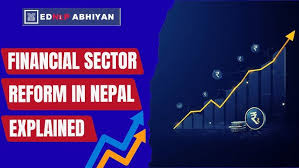
Rule 5: Easier Loans for SMEs, Agriculture & IT
- Banks must prioritize lending to:
- Small businesses
- Farmers
- Tech sector
- Lower risk weight = more loans flow to real economy
Rule 6: Mandatory E-Billing for Big Businesses
- Large companies must:
- Issue digital invoices only
- Comply within 30 days
👉 Non-compliance = higher scrutiny / penalties
Rule 7: National Financial Digital Registry
- Government will:
- Track financial transactions
- Integrate banking data
👉 Purpose: Detect fraud & improve transparency
Rule 8: Dormant Bank Accounts Rule
- Accounts inactive for 10+ years:
- Funds moved to government treasury (legally)
- Owners can still claim later
Rule 9: Tax System Fully Digitalized
- Tax filing & processing:
- Shifted to automated digital systems
- Aim:
- Reduce corruption
- Simplify compliance
Rule 10: Consolidation of 100+ Government Funds
- Multiple scattered funds will be:
- Merged into centralized pools
- Money redirected to:
- High-return national projects
3. Agriculture & Rural Economy Rules
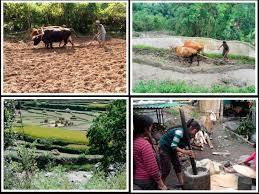
Rule 11: Farmers Must Be Paid Within 25 Days
- Buyers must:
- Pay farmers within 25 days max
- Delay = interest penalty
Rule 12: Agricultural Market Transparency System
- Government will provide:
- Real-time price updates (SMS system)
- National agri-market data
Rule 13: Cold Storage Expansion Rule
- “One local unit, one cold storage” model
- Aim: reduce wastage & improve farmer income
4. Digital Governance & Anti-Corruption Rules
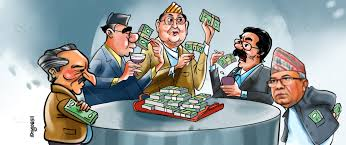
Rule 14: Digital Asset Tracking System
- Government will monitor:
- Bank accounts
- Digital wallets
- Share market activity
👉 Suspicious transactions flagged automatically
Rule 15: Financial Transparency Enforcement
- All major transactions:
- Must be traceable
- Push toward cashless + trackable economy
5. Governance & Administrative Rules

Rule 16: Institutions to Be Politics-Free
- Government bodies:
- Must function without party interference
Rule 17: Youth-Centric Governance
- Preference for:
- Young professionals
- Skilled individuals in administration
Rule 18: Action on Past Violence & Accountability
- Investigations into:
- Protest-related violence
- Abuse of power
6. VVIP Culture Rules (Emerging) Rule 19: Reduction of VVIP Privileges (Not Fully Implemented Yet)
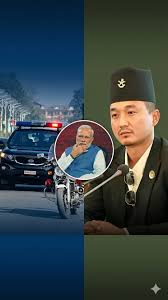
- Likely changes:
- Less road blocking for VIP convoys
- Reduced siren usage
- Equal road access
👉 Status: Policy direction, not fully enforced law yet
Final Take
This isn’t just reform—it’s rule-based restructuring of the entire system under Balendra Shah.
👉 The pattern is clear:
- Remove political interference
- Digitize everything
- Force accountability
- Redirect money to productive sectors
Conclusion
Nepal is moving toward a governance model where:
Rules are strict, systems are digital, and power is being decentralized from politics to policy
If implemented properly, these rules could:
- Transform Nepal’s economy
- Improve governance efficiency
- Set an example for South Asia
But execution will decide whether this becomes a success story—or just another ambitious blueprint.
For More Such Amazing Content Please Visit : https://dailykhabrein.com/

 By
By